
Letting someone else take care of your child for the first time can feel like a big emotional leap, for both you and your little one. Whether it’s for a date night, a work commitment, or simply a few hours of personal time, introducing a new caregiver into your child’s world is a meaningful milestone. It’s natural to feel a mix of excitement and anxiety, but with the right preparation, this transition can become a positive and even enjoyable experience for everyone involved.
This guide will walk you through how to gently prepare your child for their first babysitter experience in a way that builds trust, reduces fear, and creates a sense of comfort.
Table of Contents
Understanding Your Child’s Perspective
Before diving into preparation strategies, it’s important to step into your child’s shoes. For them, a new caregiver is not just a new face ,it’s a change in routine, a shift in comfort, and sometimes even a moment of uncertainty. Children thrive on familiarity, and introducing someone new into their safe space can feel overwhelming.
Younger children may not fully understand why you’re leaving, while older ones might feel uneasy about being cared for by someone they don’t know well. Recognizing these emotions helps you respond with empathy rather than frustration. Instead of dismissing their worries, validate them. A simple reassurance that their feelings are okay can go a long way in building confidence.
Choosing the Right Babysitter
The foundation of a successful first experience begins with choosing the right person. Your child is more likely to feel at ease with someone who is warm, patient, and approachable. Look for a caregiver who has experience with children of a similar age and understands how to connect with them naturally.
If possible, involve your child in the selection process. Even something as simple as showing them a picture or letting them be present during the initial meeting can help build familiarity. When children feel included, they’re more likely to accept the change.
Trust your instincts as a parent. If you feel comfortable with the person you’ve chosen, your child will often pick up on that energy.
Introducing the Babysitter Before the First Day
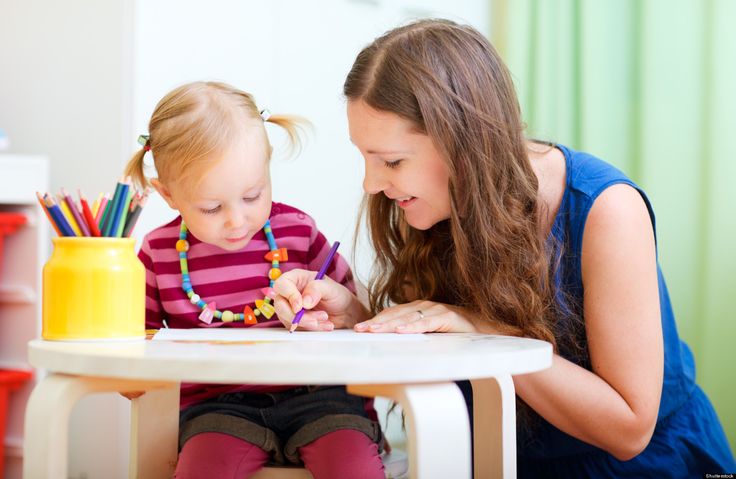
One of the most effective ways to reduce anxiety is to avoid making the first experience feel like a surprise. Arrange a casual introduction before the actual day. This could be a short visit where the caregiver spends time playing, talking, or engaging in simple activities with your child while you’re still present.
During this time, allow your child to observe and interact at their own pace. There’s no need to force immediate bonding. Even small interactions, like sharing a toy or reading a book together, can begin to build trust.
This introduction helps your child associate the new person with a safe and familiar environment, rather than seeing them as a sudden replacement.
Talking Openly About What to Expect
Communication plays a crucial role in easing your child’s fears. Explain in simple, age-appropriate language what this experience is and why someone else will be spending time with them. Avoid overcomplicating the explanation—clarity and reassurance are key.
You might say that the person is friendly and will play with them, help with meals, and make sure they’re safe while you’re away. Let them know when you’ll be leaving and, more importantly, when you’ll return. Children often feel more secure when they know the separation is temporary.
Encourage your child to ask questions. Their concerns might seem small to you, but addressing them thoughtfully can make a huge difference in how they feel.

Creating a Sense of Familiarity
Children find comfort in routines and familiar surroundings. To make the experience smoother, try to keep things as normal as possible. Maintain their regular schedule for meals, playtime, and bedtime.
You can also create a sense of connection by leaving behind familiar objects. A favorite toy, blanket, or even a note from you can provide reassurance when you’re not around. These small details act as emotional anchors, helping your child feel secure.
Additionally, share important routines and preferences with the caregiver. The more they can mirror your usual caregiving style, the more comfortable your child will feel.
Practicing Short Separations
If your child has never been away from you before, jumping straight into a long session can be overwhelming. Instead, start with short periods of separation. Leave your child with the caregiver for a brief time while you stay nearby or run a quick errand.
Gradually increase the duration as your child becomes more comfortable. This step-by-step approach allows them to adjust without feeling abandoned or anxious. Over time, they’ll learn that you always come back, which builds trust and confidence.

Building a Positive Association
The way you frame the experience can influence how your child perceives it. Instead of presenting it as something they have to endure, highlight the fun aspects. Talk about the games they might play, the stories they’ll hear, or the activities they’ll enjoy together.
You can even plan something special for the day, like a movie night or a creative activity. When children associate the experience with positive moments, they’re more likely to look forward to it in the future.
However, it’s important to stay genuine. Avoid overpromising or exaggerating, as unmet expectations can lead to disappointment.
Managing Your Own Emotions
Children are incredibly perceptive and often mirror their parents’ emotions. If you appear anxious, hesitant, or overly emotional, your child may pick up on those cues and feel uneasy.
Try to remain calm and confident during the transition. A warm goodbye, a reassuring smile, and a clear plan can make a world of difference. Avoid dragging out the farewell, as prolonged goodbyes can increase anxiety.
Remember, it’s okay for you to feel emotional too. This is a new step for both of you. Taking a moment to prepare yourself mentally can help you present a more reassuring presence to your child.

Handling Separation Anxiety
It’s completely normal for children to feel upset when you leave, especially during the first few experiences. Tears or clinginess don’t necessarily mean the situation isn’t working—it often just reflects your child’s attachment to you.
In these moments, consistency is key. Reassure your child, say goodbye with confidence, and leave without lingering too long. Most children calm down shortly after their parent leaves, especially when they are engaged in an activity.
Ask for updates, especially during the first session. A quick message confirming that your child has settled can provide peace of mind.
Encouraging Feedback After the Experience
Once you return, take time to talk to your child about how things went. Ask open-ended questions about what they did, what they enjoyed, and how they felt. This conversation not only helps you understand their perspective but also reinforces the idea that their feelings matter.
If they had a positive experience, celebrate it. If there were challenges, address them gently and look for ways to improve the next time. This ongoing communication helps build trust and makes future experiences easier.
Strengthening the Relationship Over Time
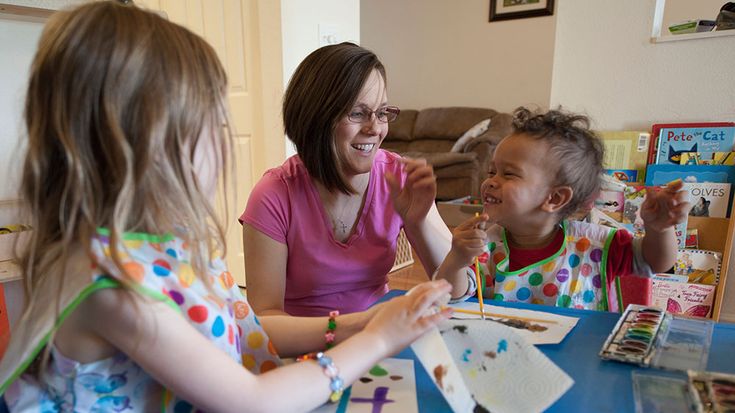
The first babysitter experience is just the beginning. As your child spends more time with the same person, their comfort level will naturally grow. Consistency plays an important role here. Seeing a familiar face regularly can help your child develop a sense of trust and ease.
Encourage activities that foster bonding, such as storytelling, creative play, or shared hobbies. Over time, this person can become a trusted and enjoyable presence in your child’s life.
Final Thoughts
Preparing your child for their first babysitter experience is not about eliminating all anxiety—it’s about creating a safe and supportive environment where they can adapt and grow. With thoughtful preparation, open communication, and a touch of patience, this transition can become a positive step toward independence for your child.
Every child is different, and it’s okay if the process takes time. What matters most is that your child feels heard, supported, and secure. With each successful experience, both you and your child will gain confidence, making future separations easier and more comfortable.
In the end, this experience isn’t just about having someone step in while you’re away it’s about helping your child build trust, resilience, and the ability to feel safe even when you’re not right beside them.
FAQs
What is the right age to introduce a babysitter to my child?
There’s no fixed age for introducing a babysitter. It depends on your child’s comfort and your readiness. Even young children can adjust well to a babysitter if introduced slowly and in a familiar setting.
How can I help my child feel comfortable with a babysitter?
Start with a short meeting where the babysitter interacts with your child while you’re present. Keep routines normal and talk positively about the babysitter to build trust and ease.
What should I tell my child before leaving them with a babysitter?
Explain who the babysitter is, what they’ll do, and when you’ll return. Clear and honest communication helps your child feel safe with the babysitter.
How long should the first babysitter session be?
Keep the first babysitter session short, around one to two hours. This helps your child adjust gradually and build comfort with the babysitter.
How do I know if my child likes the babysitter?
If your child seems relaxed, talks positively, or enjoys time with the babysitter, it’s a good sign they feel comfortable and safe.