
Introduction
The journey of motherhood begins with excitement, emotions, and many physical changes. While welcoming a newborn is one of the most joyful experiences in life, the period after childbirth can also be physically demanding and emotionally overwhelming for mothers. For centuries, families in India have relied on traditional postpartum care to help mothers recover during this crucial stage.
Even in today’s modern healthcare environment, many families still turn to Japa maids for support during the postpartum period. These caregivers provide assistance with newborn care, maternal recovery, and daily routines, allowing new mothers to focus on healing and bonding with their babies. The concept has existed for generations and continues to remain relevant because it combines traditional knowledge with practical support inside the home.
As lifestyles change and nuclear families become more common, the demand for postpartum caregivers has increased. This is why Japa maids remain a trusted option for families looking for personalized care after childbirth.
Table of Contents
The Meaning Behind Postpartum Care Traditions
Postpartum care refers to the time when a mother’s body recovers from pregnancy and delivery. In many cultures, this period is treated with great importance because the mother requires rest, nourishment, and emotional support. Traditionally, the first few weeks after childbirth are considered essential for restoring strength and building a strong foundation for the mother’s long-term health.
In Indian households, this phase is often called the “confinement period,” where the mother stays mostly indoors and focuses on recovery. Historically, experienced women in the family guided the new mother through this stage. They helped with baby care, prepared nourishing meals, and ensured the mother followed traditional healing practices.
Over time, as family structures changed and relatives could not always be present, the role of professional postpartum caregivers developed. This is where Japa maids became an important part of modern family support systems.
Why Postpartum Support Is Essential for New Mothers
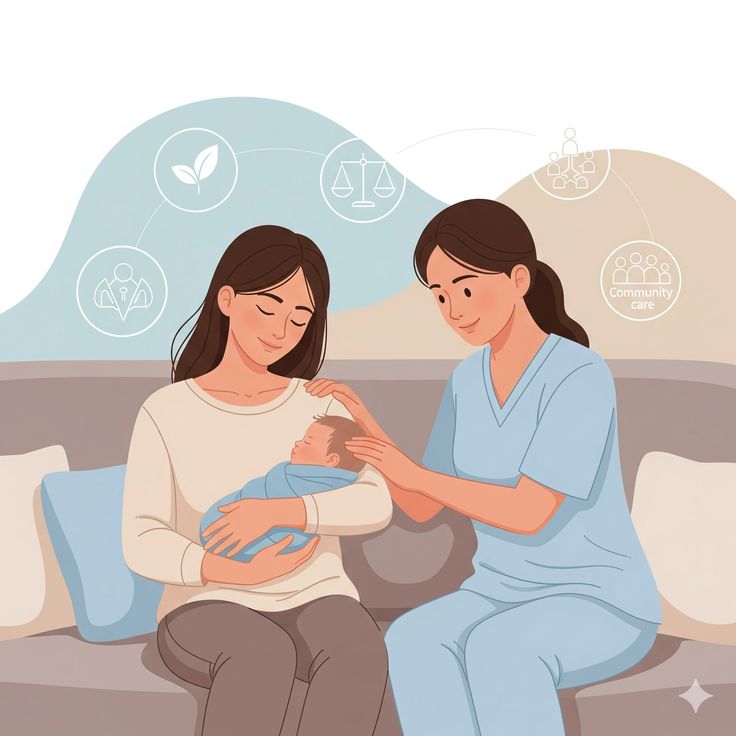
The body undergoes major physical and hormonal changes after childbirth. Mothers may experience fatigue, muscle pain, emotional stress, and sleep deprivation. Without proper support, this stage can become extremely challenging.
Postpartum care helps mothers regain strength while also ensuring the newborn receives proper attention. Assistance during this time reduces stress and allows mothers to focus on feeding, bonding, and resting. Many families prefer the presence of Japa maids because they bring experience and familiarity with newborn routines.
Their role often provides a sense of reassurance, especially for first-time parents who may feel uncertain about handling a newborn. With guidance from experienced caregivers, families often feel more confident in managing early parenthood.
Responsibilities of a Postpartum Caregiver
The responsibilities of postpartum caregivers usually revolve around supporting both the mother and the baby during the first few weeks after delivery. Their role is centered on creating a comfortable environment where the mother can recover and the baby receives proper care.
Newborn care is one of the most important aspects of this support. Caregivers assist with bathing the baby, changing clothes, maintaining hygiene, and helping establish feeding routines. Experienced Japa maids often understand the delicate needs of newborns and provide practical guidance to parents.
Another important responsibility is helping the mother recover physically. Gentle massages, warm foods, and rest are commonly recommended during the postpartum period. Many caregivers are familiar with traditional recovery practices that families still follow today.
Household assistance is also a part of the caregiving role. Although the primary focus remains on the mother and baby, caregivers may help with tasks like washing baby clothes, sterilizing feeding items, and maintaining cleanliness around the newborn’s space.
Beyond physical help, emotional reassurance is equally important. Early motherhood can be overwhelming, and experienced caregivers often provide guidance and comfort during this transition
Traditional Practices That Continue to Influence Postpartum Care
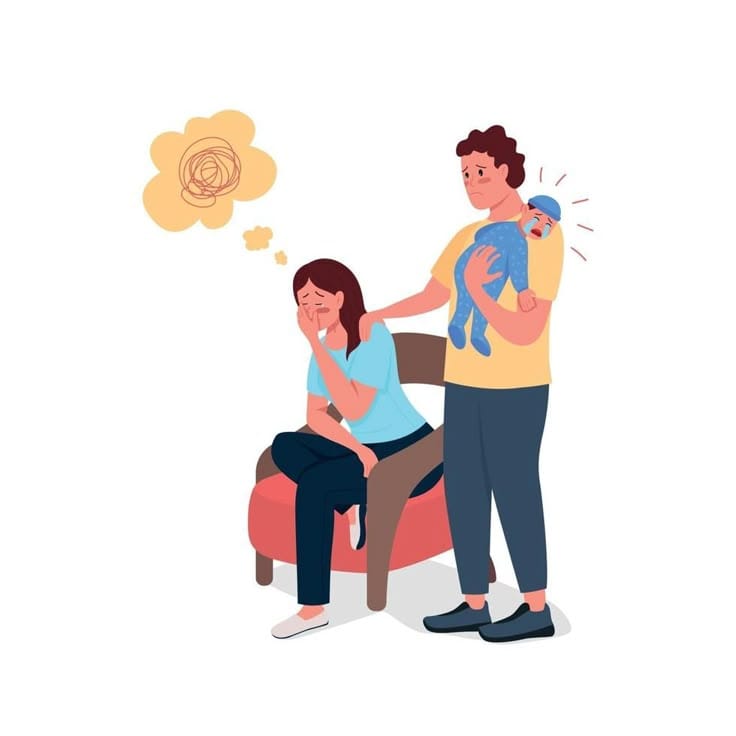
Many traditional postpartum practices remain popular today because families believe they contribute to faster recovery and overall well-being. These customs have been passed down through generations and are still followed in many households.
Oil massage for both the mother and baby is one of the most recognized traditions. It is believed to improve circulation, strengthen muscles, and promote relaxation. Skilled Japa maids often perform these massages with techniques learned through years of experience.
Another common practice involves warm and nutritious meals designed to restore the mother’s strength. Foods rich in herbs, ghee, and spices are often prepared because they are believed to support healing and improve lactation.
Rest is also considered essential during this stage. The confinement period encourages mothers to avoid strenuous activities and focus on recovery. With the assistance of Japa maids, mothers are able to follow these routines without worrying a
Why Many Modern Families Still Choose Traditional Postpartum Care
Despite advancements in medical care and hospital facilities, many families continue to value traditional postpartum support systems. One reason for this is the personalized care that takes place inside the home environment.
Hospitals provide medical care, but once the mother returns home, she still requires daily assistance. This is where caregivers such as Japa maids play an important role. Their presence allows mothers to recover comfortably while someone experienced looks after the newborn.
Another factor is the changing structure of families. In earlier times, grandparents or relatives were often available to support new mothers. Today, many couples live away from their extended families because of work or lifestyle changes. Professional caregivers help fill this gap by providing the same kind of support once offered by family members.
Cultural familiarity also plays a role in this preference. Many families feel more comfortable with caregivers who understand traditional customs related to childbirth and infant care.
The Modern Transformation of Postpartum Care Services
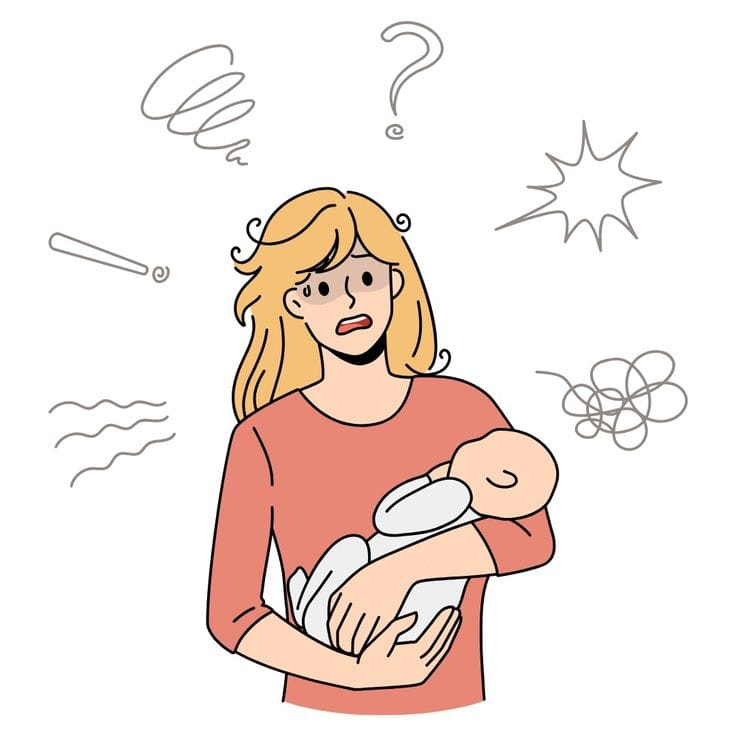
While the tradition of postpartum caregiving has remained strong, it has also evolved with time. Many caregivers today receive structured training that combines traditional knowledge with modern hygiene practices.
Some agencies now provide trained professionals who understand infant safety, breastfeeding support, and basic medical precautions. This transformation has helped improve the quality of care offered by Japaaids in many urban areas.
Modern families often prefer caregivers who can adapt to both traditional and contemporary parenting approaches. As a result, postpartum care services have become more organized, offering flexible schedules and professional support.
This blend of tradition and modern awareness helps ensure that mothers receive safe and effective care during the postpartum period.
Challenges Associated With Postpartum Care Services
Although postpartum caregiving provides valuable support, families must carefully choose the right caregiver. Not all caregivers have the same level of experience or training, which can lead to variations in service quality.
Families should ensure that caregivers follow proper hygiene practices and respect medical advice provided by doctors. Clear communication between parents and caregivers helps avoid misunderstandings and ensures the baby’s safety.
Trust is another important factor when inviting someone into the home during such an important phase. Background verification, references, and agency support can help families make informed decisions.
When chosen carefully, experienced Japa maids can become trusted partners in helping families navigate early parenthood.
Emotional Support During the Postpartum Journey
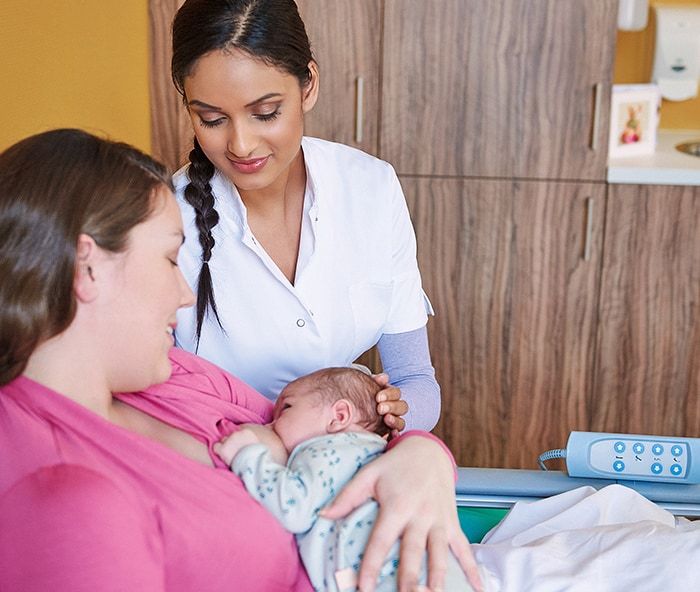
The emotional aspect of postpartum care is often overlooked but extremely important. Many new mothers experience mood swings, exhaustion, and anxiety during the first few weeks after childbirth.
Having a supportive caregiver present can make a significant difference. Experienced Japa maids often provide reassurance and practical advice that helps mothers feel more confident about caring for their newborn.
This emotional support allows mothers to focus on bonding with their baby rather than worrying about daily responsibilities. For many families, this guidance becomes one of the most valuable parts of postpartum care.
The Future of Traditional Postpartum Care
As healthcare systems and lifestyles continue to evolve, postpartum care traditions are also adapting. Many experts believe that combining traditional caregiving methods with professional training can improve maternal and infant well-being.
In the coming years, postpartum support services may become more structured with better training programs and certification systems. This will help maintain the cultural importance of traditional caregiving while ensuring safety and modern healthcare standards.
Even as society changes, the core purpose of Japa maids will remain the same. Their role in supporting mothers during the most vulnerable and transformative stage of life continues to hold deep cultural and practical significance.
Conclusion
Motherhood is a powerful and life-changing experience, but the journey after childbirth requires care, patience, and support. Traditional postpartum practices have long recognized the importance of this recovery period.
For many families, Japa maids continue to provide a valuable combination of experience, cultural knowledge, and emotional support. Their presence helps mothers focus on healing while ensuring that newborns receive attentive care.
Although healthcare services have advanced, the need for compassionate and personalized postpartum support remains strong. The continued trust in Japa maids reflects the lasting value of traditional caregiving practices that prioritize the well-being of both mother and child.
What are Japa maids and what do they do?
Japa maids are caregivers who assist mothers and newborn babies during the postpartum period. They usually help with newborn care, bathing the baby, maintaining hygiene, preparing simple meals for the mother, and supporting the mother’s recovery after childbirth.
How long do families usually hire Japa maids?
Most families hire Japa maids for about 30 to 45 days after childbirth. This period is considered important for the mother’s recovery and for establishing a routine for the newborn.
Why do many families still prefer Japa maids today?
Many families still prefer Japa maids because they provide personalized care at home. They also understand traditional postpartum practices that many households follow, which makes new mothers feel more comfortable and supported
Do Japa maids help with newborn care?
Yes, one of the main responsibilities of Japa maids is newborn care. They assist with bathing the baby, changing clothes, maintaining cleanliness, and sometimes helping parents understand basic baby care routines.
Are Japa maids trained professionals?
Some Japa maids receive professional training from caregiving agencies, while others gain experience through years of working with families. Many modern services now provide trained caregivers who follow hygiene and safety guidelines.